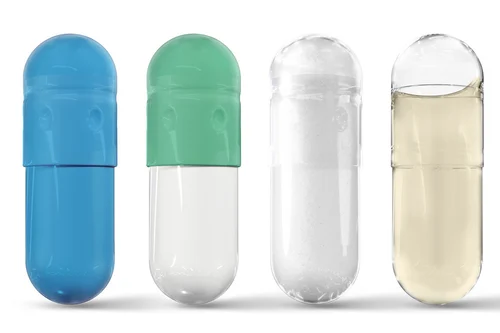
Inhalation products are widely used to treat and prevent lung infections such as asthma and chronic obstructive pulmonary disease. Among the different types of existing delivery systems for pulmonary administration, dry powder inhalers (DPIs) are extensively used owing to their accuracy, stability, and facility of use. In particular, capsule-based DPIs (cDPIs) present the advantage of dose flexibility and low development manufacturing costs with a wide offer of off-the-shelf devices. In this study, the authors from Lonza Capsugel in France and Lonza Advanced Synthesis in Bend, OR, examined how selection of capsule material influences aerosol performance in cDPIs, a critical yet often overlooked component in optimizing pulmonary drug delivery.1 At the core of this research is our latest innovation, Capsugel® Vcaps® Plus Zephyr Inhance™ HPMC capsules, which deliver exceptional aerodynamic performance and consistency compared to gelatin-based alternatives, setting new standards for cDPI technology.
Related: Capsugel® Zephyr™ Commercial
Reference:
1. Dumont C, Picco S, Fernandes BN, Verlhac P, Cortez AE, Boulet C, Gallagher M, Bock C, Jannin V. Hydroxypropyl Methylcellulose Capsules Enhance Aerodynamic Performance of Carrier-Based Dry Powder Inhaler Formulations: A Comprehensive Evaluation of Capsule Material Effects. Pharmaceutics. 2025, 17, 1621. doi: 10.3390 (Utilizing the dynamic gastrointestinal model (DGM) to evaluate the gastric integrity of Capsugel® Enprotect® capsules in fasted and fed states - ScienceDirect)